Trusted Brampton Cleaning Team
Commercial cleaning and food hygiene professionals in Brampton support restaurants, commissaries, bakeries, warehouses, and food service operations staying compliant. They sanitize regularly touched surfaces, food preparation surfaces, equipment, floors, drains, restrooms, and food handling spaces using certified products, maintaining proper ratios, and recording exposure duration. You need scheduled cleaning based on risk, volume, allergens, and inspections, along with verification records that support HACCP, quality reviews, and public health compliance. The following information outlines how effective cleaning systems should include.
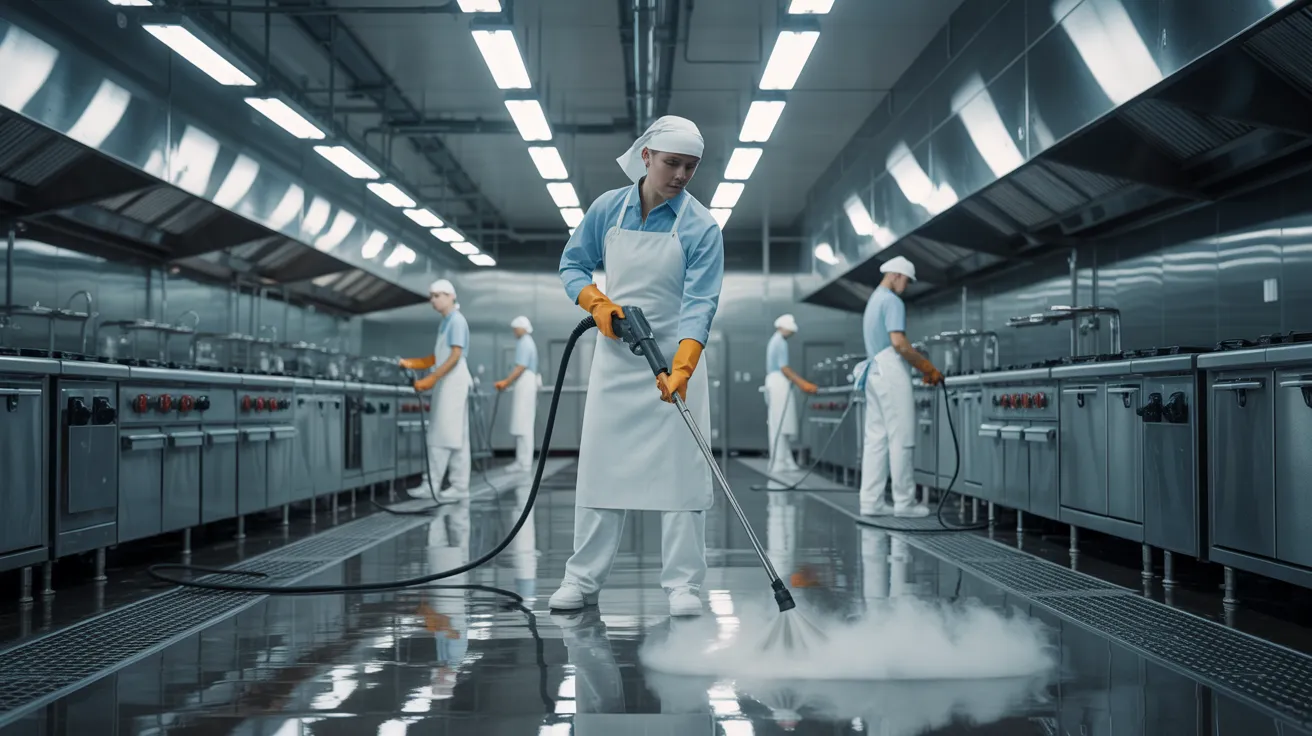
Essential Summary
- Food safety cleaning specialists from Brampton support restaurants, grocery departments, commissaries, warehouses, bakeries, schools, mobile vendors, and allergen-sensitive operations.
- Sectional methods clean frequently contacted areas, food-contact equipment, kitchens, floors, drains, restrooms, and storage areas for eliminating cross-contamination.
- Verification of proper chemical concentration, alignment, and exposure duration is executed by trained specialists, with finishing logged using samples, audits, and corrective-action records.
- Optimal maintenance schedules take into account threat, output capacity, format changes, spills, and standards when allocating regular, periodic, and annual duties by zone.
- Select contractors with hazard analysis knowledge, health regulatory, expertise, WHMIS, instruction, insurance, references, colour-coded tools, and audit-ready cleaning documentation.
Food Safety Cleaning Requirements for Brampton Operations
Brampton operations that deal with, maintain, prepare, package, or provide food require food safety cleaning. Implement it if your facility is subject to health reviews, food regulations, or HACCP protocols. The mandate covers dining establishments, employee cafes, food distributors, market sections, meat shops, fish counters, local shops, and commercial kitchens.
You also need documented food sanitation in storage facilities, food production centers, refrigerated locations, bakery retailers, school meal programs, event venues, and food distribution hubs. Portable and seasonal businesses count too, including catering trucks, festival vendors, and pop-up food booths. If your staff prepare raw materials, portion finished foods, warm up meals, or maintain allergen storage, your facility needs established sanitation documentation. In Brampton, hygiene isn't discretionary; it's part of statutory, business, and public health compliance.
What Do Brampton Cleaning Experts Clean?
Your facility requires professional cleaners who sanitize all high-touch areas, kitchens, floors, and restrooms to maintain food safety compliance and public health standards. These zones receive attention due to their elevated cross-contamination potential, trip and slip dangers, and violations of hygiene standards.
When you understand what they clean, you can ensure your operation's cleaning procedures satisfy operational and regulatory requirements.
Important High-Touch Surface Cleaning
Brampton janitorial experts prioritize high-touch surface sterilization because these contact points can transmit harmful microorganisms and food particles throughout a facility. You require a documented schedule for sanitizing frequently touched items like handles, plates, switches, railings, equipment controls, payment terminals, and fridge pulls. Implementing area assessment techniques, experts identify every frequently handled point and set cleaning intervals
confirm that sanitization was proper
Kitchens, Floors, and Restrooms
Brampton cleaning services zero in on kitchens, floors, and restrooms as each zone involves distinct sanitation, accident, and public health concerns. In industrial kitchens, you need degreasing on cook lines, equipment exteriors, drains, prep surfaces, and splash zones to minimize contamination and pest pressure.
Documented floor care is also provided as part of the service.
Restroom sanitation requires decontaminating touchpoints, fixtures, partitions, dispensers, and waste containers, restocking supplies and controlling odours. They also service restaurant moprooms, where chemical storage, sink hygiene, and drainage conditions can affect sanitation compliance and staff safety daily.
Food Safety Cleaning Significance for Brampton Businesses
Brampton businesses need to establish proper sanitation practices for meeting legal standards and passing inspections. You also minimize cross-contamination by cleaning and sanitizing food-contact surfaces, equipment, and high-touch areas correctly. Most importantly, you safeguard public health by lowering the risk of foodborne illness in your facility.
Food Safety Regulations
Brampton food companies must comply with stringent health requirements, so cleaning procedures is critical to satisfying health codes, ensuring the safety of customers, and avoiding penalties. You must maintain sanitary food-contact surfaces, recorded sanitation plans, safe chemical management, and auditable operational standards that comply with municipal and provincial inspection expectations.
Strong cleaning records help you in demonstrating due diligence during regulatory audits and proving your procedures follow standardized patterns that are consistent and documented.
Cross-Contamination Prevention
Following regulatory requirements important information depends on your ability to prevent cross-contamination in daily food handling and cleaning. You must separate raw ingredients from ready-to-eat foods, sanitize prep surfaces between tasks, and maintain separation of cleaning products from food. Clear procedures reduce transfer risks and promote steady regulatory adherence.
You should implement allergen segregation to keep priority allergens from contacting common work areas, storage bins, or tools. Use dedicated cutting boards, color-coded tools, and strict utensil labeling so employees avoid combining products throughout cooking or serving. Mandate washing hands following raw meat, seafood, eggs, or allergen-containing products. Replace wiping cloths regularly, and verify sanitizer strength with test strips. When staff members receive training on these procedures each work period, you create a cleaner, safer operation that satisfies Brampton's safety standards daily.
Public Health Assurance
If proper sanitation deteriorates, you don't merely face potential inspection issues—you boost the probability of foodborne illness harming customers, staff, and the broader Brampton region. You also weaken your role in protecting public health, especially in busy food facilities where contamination can spread quickly through surfaces, equipment, and touchpoints.
You need cleaning protocols that eliminate contaminants, sanitize correctly, and confirm effectiveness. That means following exposure periods, employing authorized sanitizers, documenting schedules, and educating employees to meet health-unit expectations. These measures facilitate disease prevention by reducing pathogens before they contaminate surfaces or food. In Brampton, rigorous cleaning protects vulnerable populations, limits outbreak potential, and helps you demonstrate due diligence. When you clean to standard, you exceed basic requirements—you substantially decrease danger and support safer food service citywide.
How Does Cleaning Support Food Safety Compliance?
Adopting strict sanitation practices reinforces food safety compliance by decreasing contamination threats, limiting pathogen development, and positioning your facility in accordance with sanitation requirements under HACCP-based programs and public health regulations. You verify that food-contact surfaces stay visibly clean and microbiologically controlled, backing documented preventive controls and inspection readiness.
Systematic cleaning further strengthens allergen control by eliminating residues that can provoke undeclared allergen exposure. When you pair approved sanitation protocols with standards training, your staff can implement standardized methods, handle approved chemicals appropriately, update records correctly, and manage variations in advance of problems worsen. Regular cleaning facilitates supply chain documentation, confirms corrective steps, and proves accountability in audits. Furthermore, it aids you protect product integrity, sustain operational compliance, and lower the likelihood of compliance actions, product recalls, grievances, and avoidable health dangers.
What's the Ideal Time to Arrange Commercial Cleaning?
Schedules for cleaning perform best when developed based on risk, production volume, and regulatory requirements instead of just a set calendar.
Arrange cleaning prior to and after promotional, catering, or public functions, or gatherings for smooth event turnarounds.
Finding Quality Brampton Cleaning Experts: A Guide
Begin by evaluating providers based on sanitation compliance standards—not solely on price alone. You should confirm that each organization comprehends CFIA, public health, and HACCP-aligned expectations applicable to your facility. Request insurance certificates, WHMIS compliance, staff training documentation, and oversight procedures. Assess whether technicians recognize cross-contamination hazards, chemical handling protocols, and verifiable sanitation records.
Additionally, you need to evaluate operational reliability and responsibility. Obtain references from Brampton food operations, then review response times, corrective-action procedures, and communication standards. Verify the company conducts supplier reviews and can deliver compliance-ready records when inspectors or external parties need proof. Verify equipment upkeep, colour-coded tools are applied correctly, and location-specific dangers are identified. A qualified provider protects compliance, product integrity, and your brand reputation.
What aspects should a Food Safety Cleaning Plan contain?
Document a framework that defines every sanitation activity, guideline, and role before production begins. You should record cleaning frequencies, approved chemicals, dilution rates, contact times, tools, and verification methods for each zone, surface, and piece of equipment. Ensure you include pre-operational inspections, corrective actions, and employee training requirements.
Your plan should also focus on cross-contamination controls, waste handling, pest-prevention measures, and documented schedules for rest areas, drains, flooring, and food-contact surfaces. Detail how you'll keep raw and ready-to-eat processes separate, support ingredient tracking, and ensure accurate allergen labeling through validated cleaning between product changes. You should assign accountability, keep signed records, and assess results against regulatory standards, HACCP controls, and customer requirements. When gaps appear, update procedures immediately and instruct staff.
Frequently Posed Questions
Can cleaning services support nighttime operations in Brampton facilities?
Yes, you can arrange cleaning services to accommodate nighttime operations in Brampton facilities. You'll organize overnight sanitation around production schedules, security protocols, and staffing levels. Services typically establish overnight logistics to reduce interruption, maintain standards, and track completed work. You should confirm arrival schedules, supervision, access procedures, and disposal procedures before starting service.
Will sanitation professionals respond to emergency spills?
Yes, you can locate several Brampton cleaning professionals offering spill containment options. They handle contamination, evaluate risks, contain affected areas, and perform swift decontamination to minimize risk and prevent disruption. You should verify response times, certifications, protocols, and procedures. If your facility must meet standards, choose a service that logs events, maintains standards, and ensures verification.
Will plant-based disinfectants clean safely food preparation areas?
Definitely, natural disinfectants function safely on food-contact surfaces if you buy disinfectants approved for food contact that comply with regulatory compliant. You ought to validate contact times, dilution rates, and rinse procedures prior to application. Plant-derived products lower chemical burden, but you should obtain evidence of effectiveness against specific pathogens. To keep surfaces residue-free, adhere to precise manufacturer instructions and ensure your disinfectant satisfies food industry regulations.
Do cleaning schedules allow for production fluctuations?
Certainly, sanitation programs adapt to production fluctuations effectively. Adjust intervals, staff levels, sanitizers, and validation steps to correspond with production rhythms while maintaining compliance standards. Lower production downtime via planning disinfection amid changeovers, peak seasons, and equipment use patterns. Further update procedural documents, staff education, and monitoring protocols to address temporary risks, new allergens, or elevated soil levels. Ongoing evaluations keep your strategy functional.
Do professional cleaning services train staff on sanitation best practices?
Certainly, commercial cleaners train your staff on sanitation best practices. You obtain staff training on correct chemical practices, contact times, contamination control, machine disassembly, and documentation procedures. They typically align instruction with HACCP, GMP, and CFIA or local public health requirements. Many also run sanitation audits to verify compliance, uncover shortcomings, and strengthen corrective measures. This enables you to copyright standard processes, pass inspections, and minimize foodborne pathogen risks daily.
Closing Remarks
When you work with Brampton commercial cleaning and food safety experts, you aren't merely cleaning—you keep your operation audit-prepared and your protocols above board. From kitchens to processing floors, every clean surface and well-kept corner helps reduce unwelcome guests and avoid expensive problems. By scheduling service at the right intervals and following a clear cleaning plan, you safeguard employees, patrons, and your reputation. In a strict regulatory setting, clean spaces aren't optional—they're part of doing business right.